Elisabeth Johanna Maria Metsch (1854-1939)
Avatar
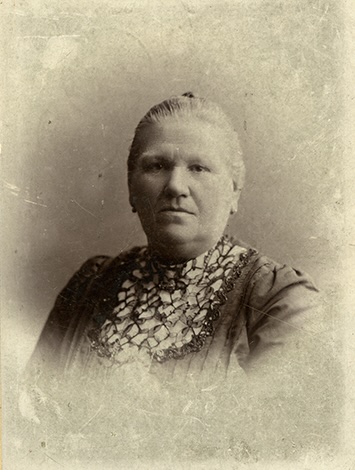
Elisabeth Johanna Maria Metsch
Individual Facts
- Name: Elisabeth Johanna Maria Metsch
- Sex: Female
- Birth: 26 Jun 1854, Amsterdam, Noord-Holland, Netherlands
- Migration (Foreign): 1910, Amsterdam, Noord-Holland, Netherlands to Sarnia, Ontario, Canada
- Religion: Evangelical Lutheran
- Death: 09 Feb 1939, Detroit, Wayne, Michigan, USA
- Burial: 1939, Detroit, Michigan, USA, Forest Lawn Cemetery
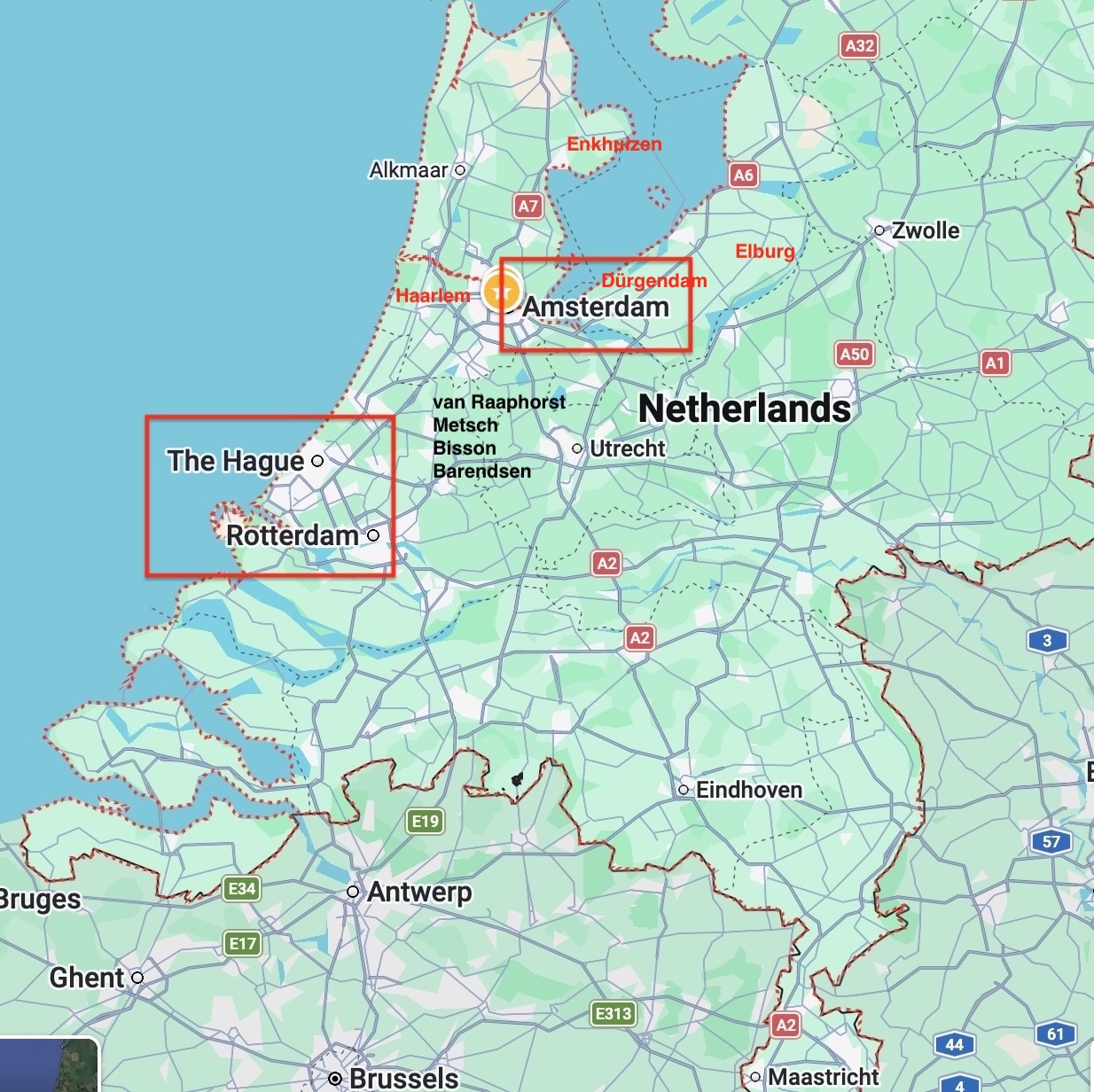
Amsterdam, Netherlands, Elisabeth's birthplace
Story: "Snippets of information about Elisabeth"
(By her granddaughter Anna)
Elisabeth was the child of immigrants: the Metsch family lived in Hessigheim, Germany, for many generations and migrated to Amsterdam in the 1820s. She also became an immigrant herself: both she and my grandfather (along with the rest of their family) went first to Canada in 1910 and after a few years to Detroit, Michigan.
Elisabeth was named for her paternal grandmother, Johanna Elizabeth Niemöller, an orphan who was brought up in an Evangelical Lutheran orphanage. Elisabeth was also an Evangelical Lutheran, and there were religious conflicts between her and her Roman Catholic husband.
Elisabeth was friends with Jan Sluijters (1881-1957), a Dutch artist known as a pioneer of various postimpressionist movements, including fauvism, cubism, and expressionism. He once gave her one of his sketches.
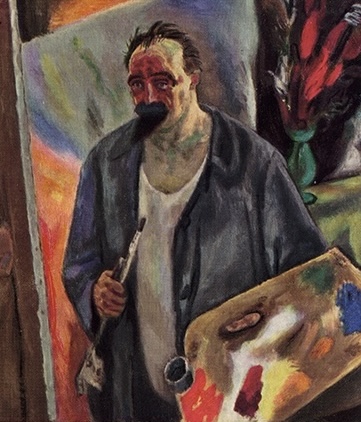
Self-portrait by Dutch artist Jan Sluijters (1881-1957)
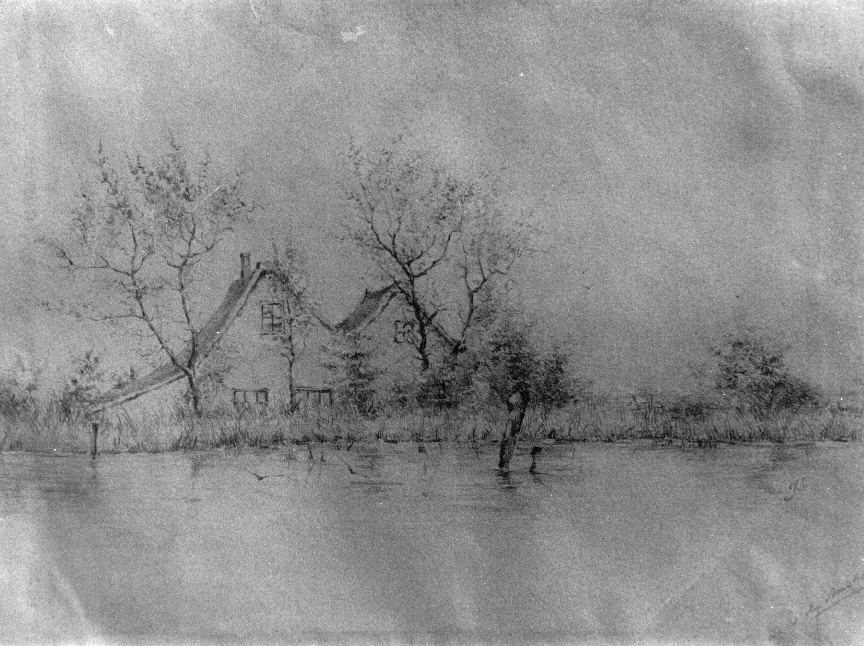
Sketch given to Elisabeth by Jan Sluijters
Shared Facts
- Marriage: (Christiaan Frederik van Raaphorst) 17 Mar 1880, Amsterdam, Noord-Holland, Netherlands
- Children: 7
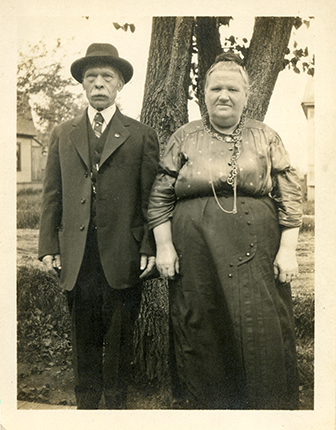
Chris and Elisabeth van Raaphorst
Story: "My Dutch grandparents were a strong team"
(By their granddaughter Anna)
My Dutch grandparents married rather late for their era (he was 28 and she was 26 when they were married on March 17, 1880) which gave them time to develop individually for a number of years before they became a team. Both had unique personalities, strong opinions, and a number of wide-ranging skillsets, which they developed in their youth, and which served them well later in life.
Both of them stuck to the religious traditions of their parents, and never compromised in their beliefs. Although they were married in De Oude Kerk (“the Old Church”), a Protestant landmark in Amsterdam (Elisabeth was an Evangelical Lutheran), Chris never gave up the Catholic traditions that he learned as a child in the Rotterdam area, and Elisabeth never agreed to either turn Catholic herself or allow any of the children to be baptized in Chris’s church.
During most of their married life in Amsterdam they owned businesses to which both contributed. One was a neighborhood store. Another was a moving and delivery business, which specialized in hoisting large pieces of furniture up the exterior walls of canal-side buildings with stairwells too narrow to provide passage for a large pieces of furniture.
Chris and Elisabeth were the masterminds of the family’s immigration to the New World, first to Canada and later to Michigan. Although they themselves were handicapped by their ages (they were both in their 50s) and lack of fluency in English to fully participate in the economic opportunities offered by the booming economy in Ontario and Michigan in the early 1900s, they saw to it that all of their children, children-in-law, and grandchildren made it to the New World and got a good start. When they arrived in Detroit, and until he reached old age, Chris worked at one of the car companies, and Elisabeth turned home manager and chef for the whole van Raaphorst clan as they migrated, group by group.
Relationships
- Father: Adam Friederich Metsch (1824-1880)
- Mother: Jansje Barendsen (1820-1865)
- Spouse: Christiaan Frederik van Raaphorst (1852-1941)
- Child: Elisabeth Johanna Maria van Raaphorst (1896-1986)
- Child: Christiaan Gottfried van Raaphorst (1883-1965)
- Child: Adam Friedrich van Raaphorst (1884-1966)
- Child: Antonius Theodorus van Raaphorst (1887-1969)
- Child: Hendricus Marinus van Raaphorst (1891-1965)
- Child: Wilhelmus Leonardus van Raaphorst (1893-1908)
- Child: Johan Nicolaas van Raaphorst (1896-1986)
For more information
Additional resources from our knowledge base (books, papers, web posts, and records): For more information